-

Getting Started with EasyEDA Part 3: PCB Layout
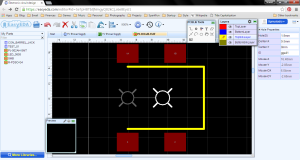
Exporting Schematic to PCB Last week, we finished creating our schematic. In your schematic, click on the Convert Project to PCB… button. You should be presented with an initial board outline and your components connected by air wires.
-
Getting Started with EasyEDA Part 2: Schematic Capture
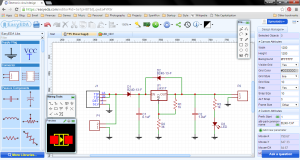
Placing Parts in the Schematic We made the parts we need in Part 1, so now we can create the schematic for our linear regulator. Click on the File icon, select New, and click Schematic. In the parts selector, make sure My Parts is selected, click on our custom part (CON_BARREL_JACK), and click somewhere on the schematic to place…
-
Getting Started with EasyEDA Part 1: Part Creation
Introduction Free, online development and CAD tools are becoming more popular and powerful, and PCB layout tools are no exception. In this, we are going to look at how to create a simple schematic in EasyEDA, turn it into a PCB, and send out the design files to a PCB house for fabrication. We will…
-

Cross Compiling on Linux for the Edison
Since I had a couple requests on how to cross-compile C/C++ programs for the Edison, I figured a quick post wouldn’t hurt. Note that I am using Ubuntu 14.04 (64-bit) for this example. Download “SDK – Cross Compile Tools” from https://software.intel.com/en-us/iot/hardware/edison/downloads. Unzip and run the installer. Note that the name of the files may change depending…
-
Run a Script on Edison Boot
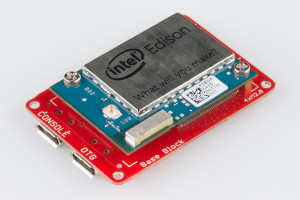
Image courtesy of sparkfun.com This one took me forever to figure out, and thanks to some posts over at the Intel Edison forums, I finally managed to get a JavaScript program to run as soon as the Edison starts. I know that the XDK also runs a service to execute JavaScript programs on boot, but I…
